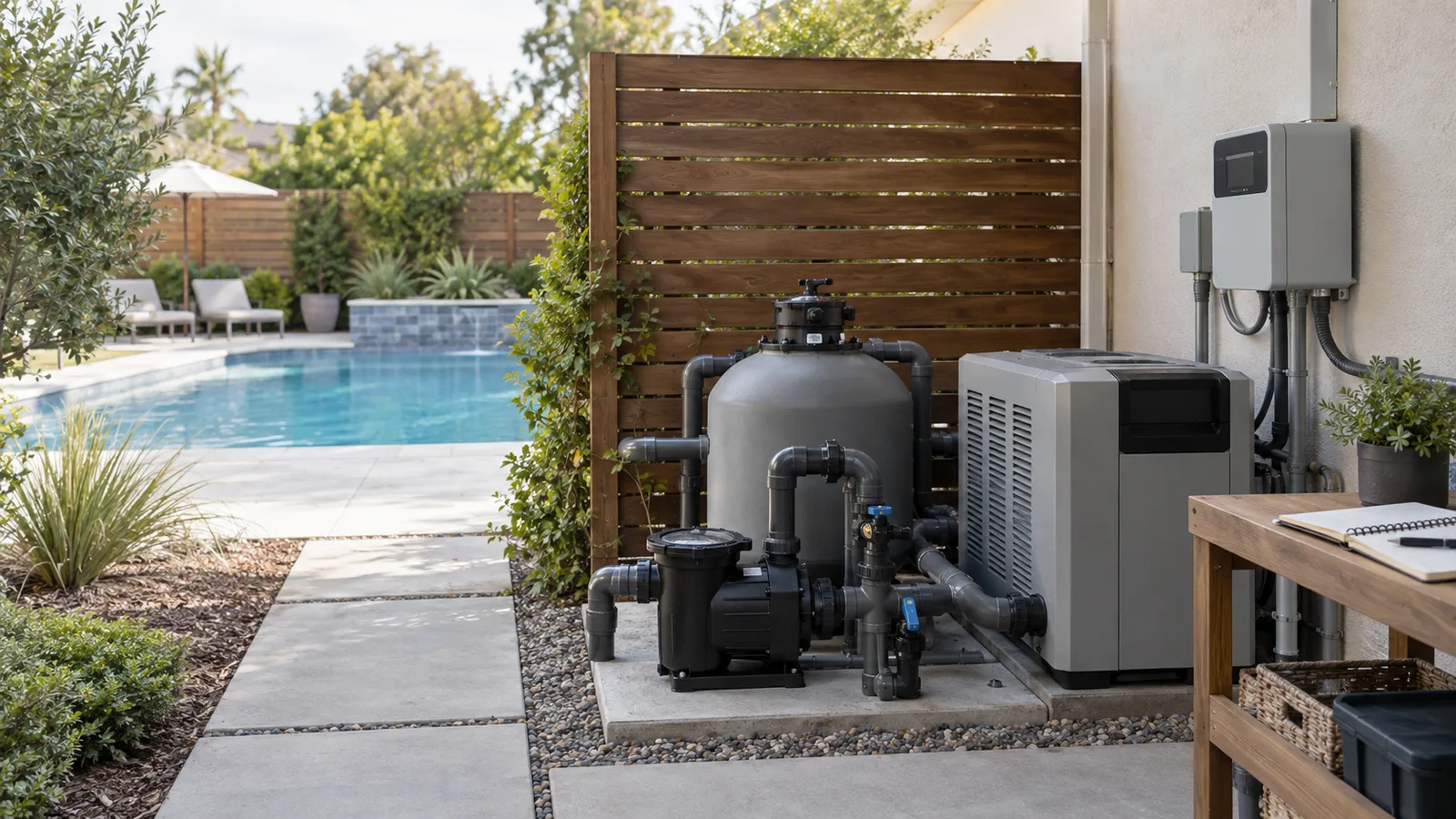
Start with an equipment index
Record the installed components, model and serial numbers, installation dates if known, and where manuals are stored. Add the service contact and warranty information without assuming every component has the same provider. Keep photographs of readable labels. When equipment changes, mark the old record as replaced rather than silently overwriting it. This gives a later technician context without making them guess which documents describe the current system.
Separate observations from diagnoses
Write what you noticed, when it happened, and any relevant circumstances. “The sound changed after the last visit” is a useful observation; naming an internal fault without assessment may mislead the next conversation. Keep test and service reports with their dates and source. Follow appropriate product instructions and professional guidance rather than using the log as a reason to try unfamiliar repairs.
Record work and follow-up
For each service or repair, save the business name, description of work, parts supplied, and any instructions or remaining questions. Note whether a recommended follow-up has been arranged. Keep receipts accessible but separate from the day-to-day summary so important information is not buried. If several people manage the property, decide who updates the log and where the current version lives.
Review it at meaningful moments
Use the log before a seasonal visit, a change of service company, a remodel, or a warranty discussion. Look for questions that remain unresolved rather than trying to infer a technical cause from a pattern yourself. Share relevant history with the professional assessing the pool. A useful record supports a clearer conversation and preserves continuity when personnel or equipment change; it cannot replace inspection or product-specific operating advice.
Make the log useful to the next technician
Record model and serial numbers, installation dates, filter and cover details, product instructions and warranty contacts in one place. For each issue, distinguish what you observed from what a professional diagnosed; 'water cloudy' and 'filter failure' are not the same kind of record.
Keep dated water-test results, service reports, parts changes and settings changes. When a repair is completed, note what was tested afterward and whether the symptom returned. This history can reduce repeated guesswork when a different technician visits later. Share a copy with a new service provider before the first visit, and retain the original for your records.
Take this to your next conversation
- Create a current equipment index.
- Keep observations separate from diagnoses.
- Assign responsibility for updates and unresolved actions.
Further reading
Official sources provide additional context. The planning framework and questions above are our editorial synthesis.
Put your research to work.
Explore pool cleaning or start with your location. Confirm services and suitability directly with the business.