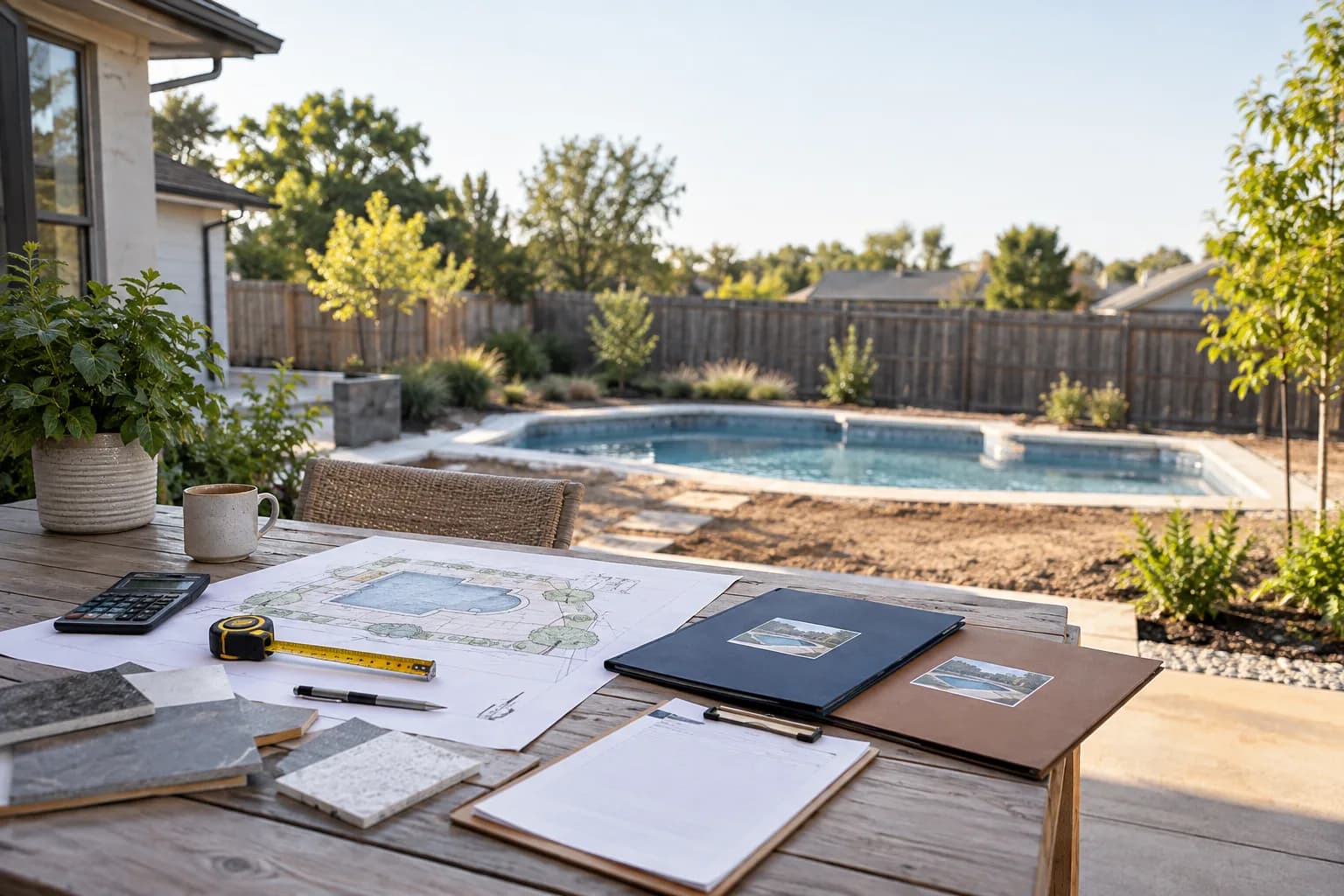
Build a scope matrix
Create a row for each work package: design, site preparation, excavation, structure, finishes, equipment, electrical coordination, decking, barriers, restoration, and handover. Put each proposal in its own column. Mark an item as included, excluded, allowance, or unclear. Do not fill blanks with assumptions. A short proposal may be perfectly legitimate, but it is difficult to compare until the missing descriptions are supplied. Keep revised versions together so an older figure does not re-enter the discussion.
Make allowances visible
An allowance is a placeholder within the proposal, not a guarantee that every selection will fit it. Ask which quantities and products the allowance assumes and how a different choice changes the total. For equipment, request model numbers and the intended function of each component. For finishes, identify the selected range and installation area. A low allowance can make an otherwise comparable proposal appear cheaper while shifting decisions and costs to a later stage.
Separate site uncertainty from optional upgrades
Ask how the contractor would handle an unexpected site condition and what evidence would support additional work. Keep these uncertainties in a separate column from discretionary upgrades such as lighting changes or decorative features. The first group concerns an incomplete understanding of the property; the second reflects choices you control. This distinction makes contingency conversations more useful. Do not choose a contingency percentage merely because it appears in a generic online budget example.
Compare the delivery plan
Review milestones, access arrangements, responsibility for inspection coordination, and the handover documents alongside the price. Ask what must happen before each stage can start. A proposed completion window should identify its assumptions, not just a desirable swimming date. Record who communicates delays and how changes are approved. If a document affects payment or legal responsibility, obtain appropriate local advice rather than relying on a directory article to interpret the agreement for you.
Compare a completed-backyard price
Place excavation, structure, finishes, equipment, utility connections, coping, decking, drainage, fencing, permits, cleanup and startup in separate rows. A line marked 'by owner' is still a project cost, even though it is absent from the builder total. Ask for the exact quantity or specification behind each allowance.
Do not treat a future change order as an ordinary allowance. Ask what facts would trigger extra work, who documents them, when the price must be approved and whether work pauses until approval.
Check payment, warranty and closeout assumptions
Match payments to defined milestones and ask what evidence demonstrates completion of each stage. Compare the length and scope of product and workmanship warranties separately; note exclusions and who handles claims. Include final inspections, manuals, demonstrations and unresolved items in the closeout column.
Take this to your next conversation
- Compare identical work packages.
- List allowances beside actual selections.
- Keep site uncertainties separate from optional upgrades.
Further reading
Official sources provide additional context. The planning framework and questions above are our editorial synthesis.
Put your research to work.
Explore pool builders or start with your location. Confirm services and suitability directly with the business.